

In today’s rapidly evolving electrical and automotive industries, high voltage connectors play a crucial role in ensuring safe and efficient transmission of electrical power. Whether in electric vehicles, industrial machinery, or renewable energy systems, these connectors are indispensable for handling high-voltage circuits reliably. Understanding what a high voltage connector is and how it works is essential for engineers, technicians, and anyone working with high-voltage systems.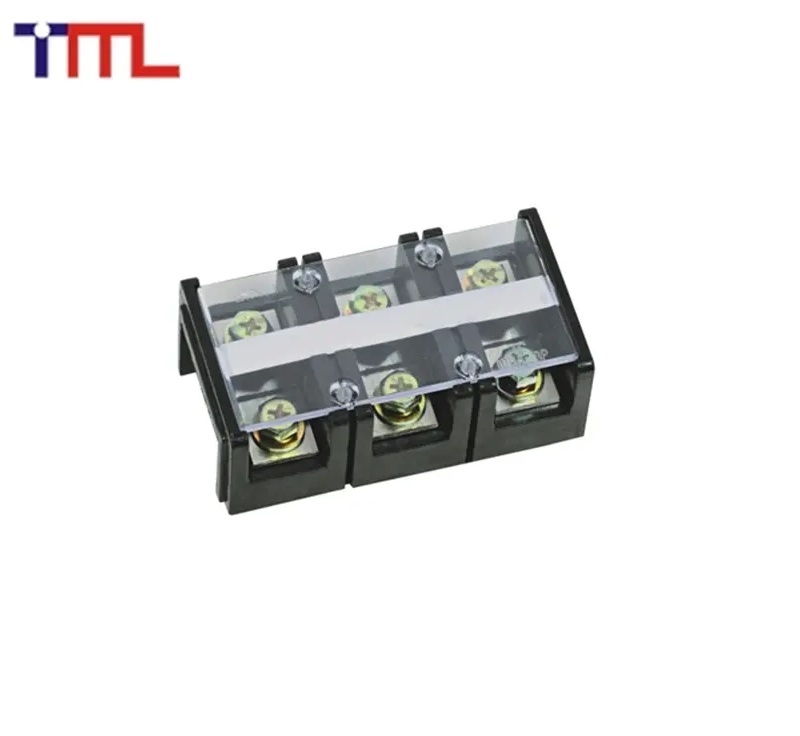
What is a High Voltage Connector?
A high voltage connector is a specialized device designed to safely join two or more high-voltage electrical circuits. Unlike standard connectors, these are engineered to handle high current and high voltage without causing insulation breakdown, overheating, or electrical arcing. The primary goal of a hv connector is to maintain electrical continuity while providing robust mechanical stability and insulation, even under extreme conditions.
High voltage connectors are commonly used in electric vehicles (EVs), charging stations, industrial automation, and power distribution systems. They ensure that high-voltage power is transmitted efficiently and safely from batteries, inverters, and other power electronics to the intended loads.
How Does a High Voltage Connector Work?
The operation of a high voltage connector is based on several key principles:
-
Electrical Contact – High voltage connectors have precisely engineered metal contacts that ensure a secure electrical connection. These contacts are designed to handle high current without significant resistance, which reduces heat generation and energy loss.
-
Insulation – Insulation is critical in high-voltage applications to prevent electrical arcing or accidental contact. Most te high voltage connectors use high-quality insulating materials such as thermoplastics or silicone to maintain safety even at voltages exceeding hundreds of volts.
-
Mechanical Stability – A reliable hv connector is mechanically robust to resist vibrations, shocks, and environmental stresses. Locking mechanisms or snap-fit designs are often employed to prevent accidental disconnection.
-
Environmental Protection – Many high voltage connectors are designed with waterproofing, dustproofing, and corrosion-resistant features to operate safely in harsh conditions. This is especially important in automotive or industrial environments.
By combining these principles, high voltage quick connectors allow for rapid and safe connection and disconnection of high-voltage circuits without compromising performance or safety.
Types of High Voltage Connectors
Understanding the different high voltage connector types helps in selecting the right connector for specific applications:
-
TE HV Connectors – Renowned for reliability, TE HV connectors are widely used in electric vehicles and industrial applications. They offer excellent insulation, high current capacity, and secure locking mechanisms.
-
High Voltage Quick Connectors – These connectors enable rapid installation and removal, making them ideal for applications where maintenance or frequent reconnections are required. They maintain safety standards while improving operational efficiency.
-
Threaded or Screw-Type HV Connectors – These provide extremely secure connections for applications where vibration or mechanical stress is significant.
-
Pin and Socket HV Connectors – Commonly used in modular or replaceable systems, these connectors allow for easy swapping of components without compromising safety.
-
Custom HV Connectors – Many manufacturers offer customized solutions tailored to unique voltage, current, or environmental requirements.
Applications of High Voltage Connectors
High voltage connectors are essential in numerous industries:
-
Electric Vehicles (EVs): From battery packs to inverters, te high voltage connectors ensure safe energy transfer at high voltages.
-
Renewable Energy: Solar panels and wind turbines often use high-voltage connectors to transmit power efficiently to inverters or the grid.
-
Industrial Machinery: Automation equipment and heavy machinery utilize HV connectors to maintain reliable power connections under demanding conditions.
-
Power Distribution Systems: High voltage connectors are critical in substations and high-voltage transmission lines for safe energy distribution.
Advantages of Using High Voltage Connectors
-
Safety – Proper insulation and design prevent electrical accidents, protecting both equipment and personnel.
-
Efficiency – Reduced resistance and reliable contacts minimize energy loss.
-
Durability – Designed to withstand extreme temperatures, vibration, and environmental stress.
-
Ease of Use – High voltage quick connectors simplify installation and maintenance, saving time and labor costs.
TE HV Connectors: A Trusted Choice
TE HV connectors are recognized globally for their reliability, safety, and performance. They are often preferred in critical applications such as electric vehicles and renewable energy systems. Features include high current capacity, robust insulation, secure locking mechanisms, and compliance with international standards. Using TE high voltage connectors ensures that your high-voltage system operates efficiently and safely over its entire lifecycle.
Conclusion
In summary, a high voltage connector is much more than a simple electrical component—it is a key enabler of safety, efficiency, and reliability in high-voltage systems. From hv connectors in electric vehicles to high voltage quick connectors in industrial machinery, these devices are engineered to handle challenging electrical and environmental conditions. Understanding the high voltage connector types and selecting trusted products like TE HV connectors can greatly enhance the performance and safety of your electrical system.
Whether you are an engineer, technician, or DIY enthusiast working with high-voltage circuits, knowing what a high voltage connector is and how it works is essential for designing safer, more efficient electrical solutions.