

In modern electrical and automation systems,safe and efficient wiring is essential for stable operation.One of the most widely used components in industrial electrical engineering is the composite terminal block,which plays a key role in organizing,connecting,and protecting electrical circuits across different industries.
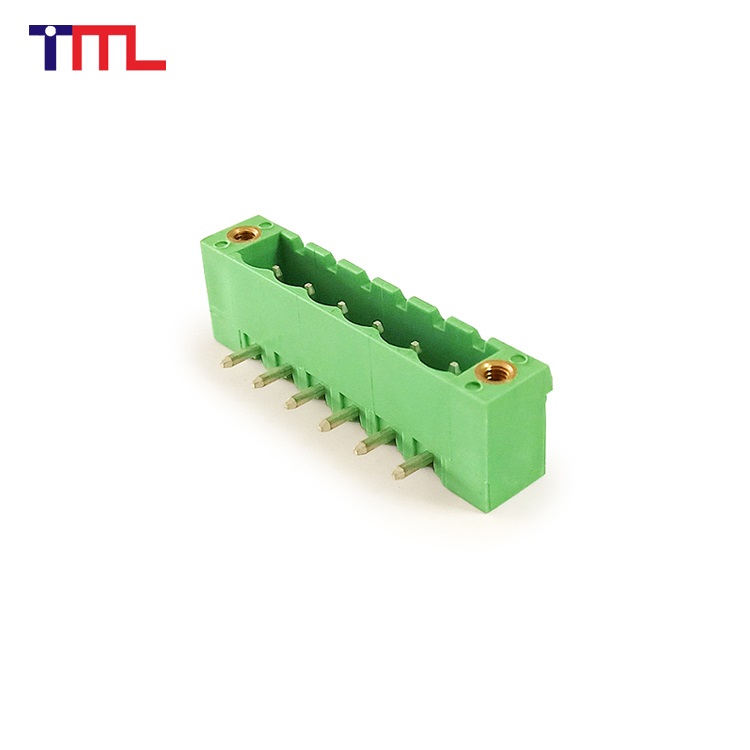
What Is a Composite Terminal Block?
A composite terminal block is a type of connection device used to secure multiple electrical wires in a structured and safe manner.As an advanced form of the traditional terminal block,it is designed to handle complex wiring systems while improving reliability and installation efficiency.
Compared with basic connectors,an electrical terminal block provides stronger insulation,better conductivity,and more stable performance in demanding environments.
Industrial Automation Systems
One of the main applications of a wiring terminal block is in industrial automation.In factories and production lines,machines rely on precise electrical control systems.Terminal blocks are used to connect sensors,controllers,and power systems inside control cabinets.
A high-quality industrial terminal block ensures stable signal transmission and reduces the risk of wiring failure,which is critical for automated production efficiency.
Power Distribution Systems
Composite terminal blocks are widely used in power distribution panels.They help organize incoming and outgoing electrical circuits,making maintenance and troubleshooting easier.
In these systems,an electrical terminal block provides safe separation between different voltage levels,helping prevent short circuits and electrical hazards.
Control Panels and Electrical Cabinets
Control panels in industrial environments often contain complex wiring systems.A terminal block simplifies these connections by grouping multiple wires in a structured layout.
This improves both safety and accessibility,allowing engineers to quickly inspect or replace components when needed.A well-designed wiring terminal block also reduces installation time and improves overall system organization.
Transportation and Energy Systems
Composite terminal blocks are also widely used in transportation systems such as railways,EV charging stations,and marine electrical systems.In these applications,durability and vibration resistance are essential.
An industrial terminal block can withstand harsh environments,ensuring stable electrical connections even under continuous vibration,temperature changes,and heavy load conditions.
HVAC and Building Automation
In HVAC systems and smart building control systems,terminal blocks are used to connect thermostats,sensors,and control modules.A composite terminal block helps integrate multiple wiring points into a compact and efficient structure,improving system reliability and maintenance efficiency.
Conclusion
The composite terminal block is an essential component in modern electrical engineering.From industrial automation to power distribution and building systems,it ensures safe,organized,and efficient electrical connections.Whether used as a terminal block,electrical terminal block,wiring terminal block,or industrial terminal block,it plays a critical role in improving system safety,stability,and performance across multiple industries.