

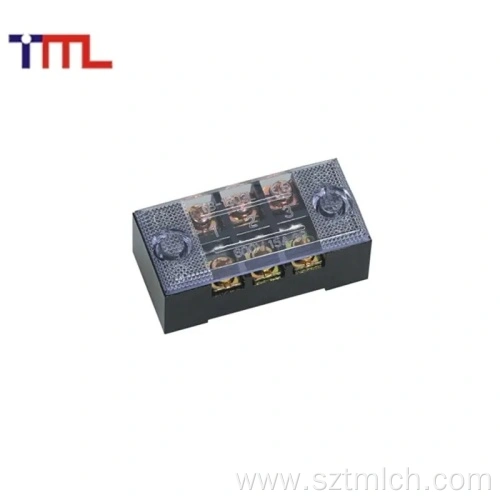
This article delves into the key differences between high-quality and standard high voltage terminals, covering aspects such as materials, design, performance, safety standards, and long-term reliability.
1. Material Composition and Durability
The first and most obvious difference between High Quality High Voltage Terminals and standard terminals lies in their material composition.
-
High Quality Terminals are typically made from premium metals like oxygen-free copper, silver-plated copper, or brass alloys. These materials offer superior electrical conductivity, corrosion resistance, and mechanical strength. The high conductivity ensures minimal energy loss and consistent current flow, which is crucial in high-voltage applications.
-
Standard Terminals, on the other hand, often use lower-grade metals or basic copper alloys that may not have adequate plating. While they are functional, their electrical performance may degrade faster under high-voltage stress.
Durability is another critical factor. High Quality Terminals are designed to withstand extreme temperatures, vibration, and mechanical stress, making them ideal for industrial, automotive, and power distribution applications. Standard terminals are generally less resistant to wear and environmental factors, which can lead to premature failure or maintenance issues.
2. Design and Manufacturing Precision
Design precision significantly impacts the performance and reliability of a High Voltage Terminal.
-
High Quality Terminals are manufactured with strict tolerances and advanced machining techniques. Features such as smooth contact surfaces, precise crimping zones, and robust insulation barriers reduce the risk of loose connections or electrical arcing. These design considerations are particularly important in high-current, high-voltage circuits where even minor imperfections can cause energy loss or safety hazards.
-
Standard Terminals may lack these precision features. Manufacturing inconsistencies, rough edges, or uneven surfaces can increase resistance, heat buildup, and the likelihood of electrical faults.
In applications where reliability is critical—such as renewable energy systems, industrial power grids, or high-performance electric vehicles—using high-quality terminals ensures consistent and safe performance.
3. Electrical Performance and Conductivity
Electrical efficiency is a key measure of terminal quality.
-
High Quality High Voltage Terminals exhibit lower contact resistance, which minimizes voltage drop and power loss. Their optimized surface treatments, such as tin or silver plating, enhance conductivity and prevent oxidation, ensuring stable long-term performance.
-
Standard terminals, lacking these enhancements, can suffer from higher resistance over time. Oxidation and corrosion may form on the contact surface, reducing conductivity and potentially causing overheating or intermittent connections.
For applications where precise electrical performance is critical—such as medical equipment, telecommunications, and aerospace—using High Quality Terminals can prevent operational disruptions and extend the lifespan of the system.
4. Safety Considerations
High-voltage systems inherently carry risks, and terminal quality directly affects safety.
-
High Quality Terminals are designed to meet international safety standards, including UL, IEC, and RoHS certifications. They offer superior insulation, secure attachment, and resistance to thermal and mechanical stress. These features reduce the risk of short circuits, arcing, and electrical fires.
-
Standard Terminals may only meet minimal safety requirements. In high-voltage applications, insufficient insulation or weak mechanical design can result in catastrophic failures, putting both equipment and personnel at risk.
Investing in high-quality terminals is not just about performance—it is a critical safety measure for any high-voltage installation.
5. Longevity and Maintenance
The lifespan and maintenance requirements of a High Voltage Terminal are heavily influenced by its quality.
-
High Quality Terminals are engineered for long-term reliability. They resist corrosion, wear, and thermal fatigue, reducing the frequency of replacements and system downtime. Many high-quality terminals are rated for decades of service under proper conditions.
-
Standard terminals may require frequent inspections and replacements due to oxidation, cracking, or loss of conductivity. Over time, these maintenance needs can increase operational costs and introduce the risk of system interruptions.
By choosing High Quality Terminals, organizations can reduce long-term maintenance efforts and costs, while ensuring consistent system performance.
6. Applications and Performance Demands
Different applications demand different levels of terminal quality:
-
High Voltage Industrial Systems: Power distribution units, transformers, and switchgear require high-quality terminals for safety and reliability.
-
Automotive and EV Applications: Electric vehicles, hybrid systems, and charging stations rely on terminals that can handle high currents and vibrations without failure.
-
Renewable Energy Systems: Solar inverters, wind turbines, and battery storage units benefit from terminals that maintain efficiency over long periods under varying environmental conditions.
-
Standard Terminals: Suitable for low-voltage or less critical applications where minor resistance or limited lifespan does not significantly impact performance.
The choice between high-quality and standard terminals should always consider the system’s voltage, current, and operational environment.
7. Cost vs. Value
While High Quality High Voltage Terminals typically come at a higher upfront cost compared to standard terminals, their benefits often outweigh the initial investment:
-
Reduced energy loss and improved efficiency
-
Longer lifespan and reduced maintenance costs
-
Enhanced safety and compliance with regulations
-
Reliable performance in critical applications
Standard terminals may be cost-effective initially but can incur higher long-term expenses due to replacements, repairs, and potential downtime.
8. Installation and Handling
Proper installation enhances the performance of any terminal, but high-quality terminals are generally easier and safer to install:
-
High Quality Terminals feature clear markings, smooth surfaces, and consistent dimensions that simplify crimping, soldering, or bolting.
-
Their design reduces the likelihood of installation errors, which is particularly important for High Voltage Terminals where mistakes can lead to serious safety hazards.
-
Standard terminals may require more careful handling and additional verification steps to ensure a secure connection.
Feature High Quality High Voltage Terminal Standard Terminal Material Premium copper, silver plating, durable alloys Basic copper alloys or low-grade metals Conductivity Low resistance, minimal power loss Higher resistance, more prone to corrosionDurability Resistant to vibration, heat, corrosion Less resistant, shorter lifespan Safety Meets UL, IEC, RoHS, high insulation Minimal compliance, higher risk Maintenance Low maintenance, long-term reliability Frequent maintenance needed Cost Higher upfront, better long-term value Lower upfront, higher long-term cost Choosing the right terminal for high-voltage systems is critical. While standard terminals may be suitable for low-stress applications, High Quality High Voltage Terminals provide superior performance, safety, and longevity. From material composition and electrical conductivity to safety standards and maintenance requirements, high-quality terminals outperform standard ones in virtually every aspect.
For engineers, technicians, and facility managers, investing in High Quality Terminals ensures reliable performance, reduces long-term costs, and maintains safety in critical electrical systems. When dealing with high-voltage applications, quality is not optional—it is essential.