

In the world of industrial automation, energy distribution, and electrical engineering, safety and reliability are non-negotiable. One of the critical components that ensures both is the high voltage terminal block—a seemingly simple, yet powerful connector that enables secure and efficient power transfer in high-voltage environments. Whether installed in control panels, substations, or renewable energy systems, terminal blocks play a vital role in managing electrical current safely. But what exactly are they, and how do they function?
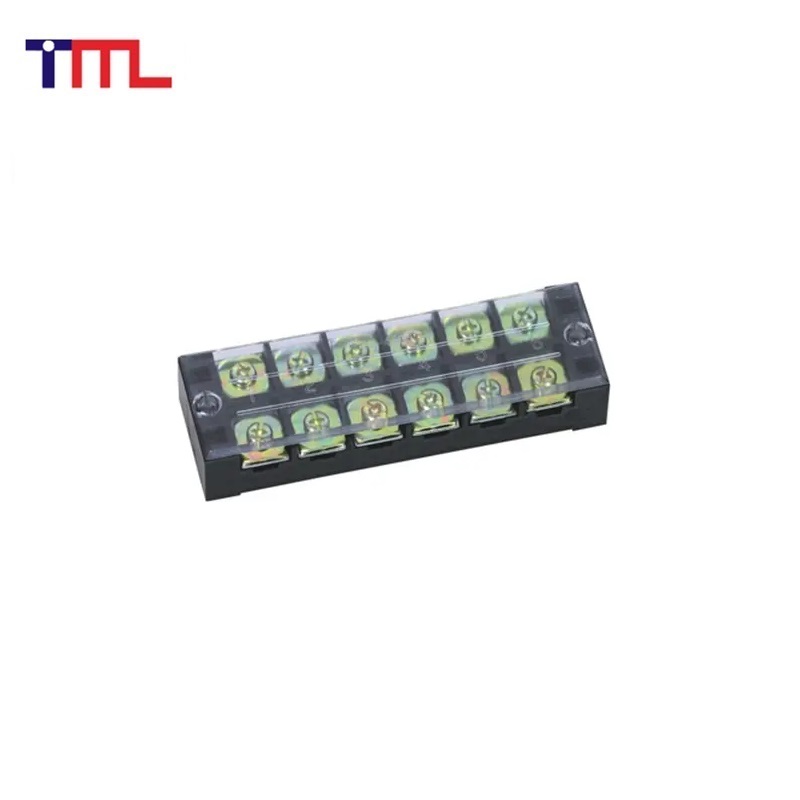
What Is a High Voltage Terminal Block?
A high voltage terminal block is a type of electrical connector designed specifically to facilitate safe, organized connections between two or more high-voltage conductors. It consists of an insulating body (often made of polyamide, ceramic, or other high-dielectric materials), metallic conductor paths (usually copper alloy or brass), and clamping mechanisms such as screws, spring clamps, or push-in terminals.
These terminal blocks are rated for voltages typically exceeding 600V, with some models capable of handling up to 1000V or more, depending on their construction and certification. They are widely used in electrical distribution panels, motor control centers, railways, EV chargers, and industrial machinery, where stable and insulated high-voltage connections are essential.
Core Components and Construction
-
Insulating Housing: This is the external body of the block, built from flame-retardant and high-dielectric-strength materials. It protects users and nearby components from electric shock and arc flash.
-
Conductor (Metal Strip or Bar): The internal conductive path that electrically joins the input and output terminals. Materials like tin-plated copper are common for high conductivity and corrosion resistance.
-
Connection Mechanism: Most high-voltage blocks use screw clamp, spring clamp, or push-in technology to secure the wire in place. The method affects ease of installation, maintenance, and vibration resistance.
-
Mounting Options: Terminal blocks are typically DIN-rail mountable or can be panel-mounted, providing flexibility in system integration.
How Does It Work?
The basic function of a high voltage terminal block is to allow an electrical current to pass from one wire to another through a conductive path, while maintaining insulation and mechanical security. Here’s a step-by-step breakdown:
-
Wire Insertion: A stripped wire is inserted into the terminal opening.
-
Connection Secured: A clamp (e.g., screw or spring) applies pressure, ensuring strong mechanical and electrical contact.
-
Insulated Channeling: The current travels through the metallic conductor inside the insulated housing, transferring power from the source to the load.
-
Isolation and Safety: The housing prevents arcing, accidental contact, and short circuits—even in high-voltage scenarios.
This design allows for modular expansion, making it easy to connect multiple circuits in complex panels without soldering or splicing.
Applications Across Industries
High voltage terminal blocks are essential in:
-
Electrical Power Systems: Substations, transformers, switchgear
-
Industrial Automation: Motor drives, PLC cabinets, robotic systems
-
Renewable Energy: Solar combiner boxes, wind turbine control units
-
Electric Vehicles (EVs): Charging stations, inverters, onboard electronics
-
Transportation and Railways: High-voltage signaling and lighting systems
Safety and Certification Standards
Because of the risks associated with high voltage, these terminal blocks must adhere to strict international standards:
-
UL 1059: North American standard for terminal blocks
-
IEC 60947-7-1/2: International standard for terminal blocks in low-voltage switchgear and control gear
-
RoHS / REACH Compliance: Ensuring environmental and health safety
-
CE / TUV Certifications: Proof of conformity for European markets
Manufacturers also test terminal blocks for dielectric strength, temperature endurance, insulation resistance, and current-carrying capacity, ensuring they function safely in the most demanding environments.
Benefits of Using High Voltage Terminal Blocks
-
Safety: Prevent electrical shock and arc faults
-
Scalability: Easily expand wiring without rewiring the entire system
-
Serviceability: Wires can be replaced or inspected without damaging connections
-
Clean Installation: Improves cable management and system aesthetics
-
Cost Efficiency: Reduces labor and time during installation
Conclusion
High voltage terminal blocks may appear to be minor components in large-scale electrical systems, but their role is crucial. They ensure reliable connections, protect systems from failure, and streamline maintenance processes. As electrification trends continue in sectors like EV infrastructure, green energy, and smart manufacturing, these connectors will remain foundational to safe and efficient high-voltage system design.