

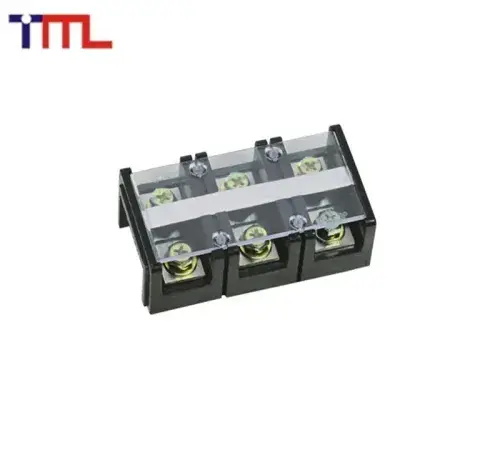
1. Definition and Function of High Voltage Terminal Blocks
A high voltage terminal block is a device used in electrical systems to securely connect wires and other components that carry high voltage. These blocks consist of a series of metal contacts or terminals, enclosed in a protective housing, that allow you to make safe and efficient connections between electrical wires. The primary function of a terminal block is to ensure a reliable and secure connection, preventing wires from coming loose or making improper contact that could lead to a malfunction or hazard.
High voltage terminal blocks are designed to handle higher electrical loads than their low-voltage counterparts. They are typically used in power distribution systems, electrical control panels, machinery, and other industrial applications where voltages range from hundreds to thousands of volts. These blocks provide a safe and organized way to manage high-voltage connections, making them a critical component in any electrical infrastructure that operates at elevated voltages.
2. The Importance of Safe Electrical Connections
Safety is paramount in any electrical system, especially when dealing with high voltage. Without the proper protection, high-voltage systems can present significant risks, including electrical shock, fires, and equipment damage. High voltage terminal blocks play a crucial role in maintaining the safety of these systems.
One of the primary advantages of using terminal blocks is that they provide a secure and stable connection between wires, which helps to prevent dangerous situations. A loose or poorly connected wire can cause arcing, a phenomenon where electricity jumps from one conductor to another, potentially igniting a fire or causing equipment failure. Terminal blocks eliminate this risk by ensuring that connections remain tight and secure throughout the lifespan of the electrical system.
Moreover, terminal blocks often come with insulated housings that prevent accidental contact with live electrical parts, providing an extra layer of safety for workers and technicians who handle these systems. Properly installed high voltage terminal blocks reduce the chances of electrical accidents, protecting both personnel and equipment.
3. Types of High Voltage Terminal Blocks
There are several different types of high voltage terminal blocks, each designed to serve specific purposes and applications. Understanding these types can help you choose the right terminal block for your electrical system.
-
Screw Terminal Blocks: These are the most common type of terminal block and are used in a wide range of applications. The wires are secured to the terminals by screws that clamp the wire in place. Screw terminal blocks offer a solid and reliable connection and are especially effective in high voltage systems where secure wire placement is crucial.
-
Spring-Cage Terminal Blocks: This type of terminal block uses a spring mechanism to hold the wire in place. The advantage of spring-cage blocks is that they do not require tools for installation, making them easier and faster to use in certain applications. They are often used in situations where quick and efficient connections are needed, but they can still handle high voltage and provide a safe and reliable connection.
-
Plug-in Terminal Blocks: These blocks consist of a base and a removable plug that allows for quick and easy connection and disconnection of wires. This type of terminal block is often used in modular electrical systems where components need to be replaced or serviced periodically. Plug-in terminal blocks are designed to handle high voltages and are commonly found in power distribution systems.
-
Barrier Terminal Blocks: These terminal blocks are equipped with barriers or partitions that separate the wiring connections to prevent accidental shorts. Barrier terminal blocks are especially useful in high voltage applications where multiple connections are made in close proximity, as the barriers provide an additional layer of safety.
-
Heavy-Duty Terminal Blocks: These blocks are designed for use in extreme environments, such as industrial or outdoor applications, where high voltages, temperatures, and vibrations are common. They are typically made of robust materials and feature reinforced terminals to handle the increased stress of high voltage systems.
Each type of high voltage terminal block is built to meet specific safety standards and performance requirements, ensuring that they function properly under high electrical loads.
4. Materials Used for High Voltage Terminal Blocks
The materials used in the construction of high voltage terminal blocks are critical to their performance and safety. These materials must be able to withstand high electrical loads, prevent overheating, and resist corrosion in challenging environments. Common materials include:
-
Plastic: Many high voltage terminal blocks are made from high-quality plastic, such as polyamide or thermoplastic, which is durable, resistant to heat, and offers excellent insulation properties. Plastic terminal blocks are often used in environments where electrical conductivity is not a concern, and they provide a lightweight, cost-effective option for non-extreme applications.
-
Metal: The terminals themselves are often made from copper or brass, which are excellent conductors of electricity. These metals ensure that the electrical current flows smoothly and efficiently through the terminal block. Copper terminals are especially common in high-voltage terminal blocks due to their high conductivity and resistance to corrosion.
-
Ceramic: In high-temperature or high-voltage applications, ceramic terminal blocks are sometimes used. Ceramic materials can withstand extreme temperatures and provide superior insulation compared to plastics. They are often used in industrial environments where high voltages and heat are present.
-
Composite Materials: Some terminal blocks are made from a combination of plastic, metal, and ceramic materials, providing a balance of durability, conductivity, and insulation. These composite materials are engineered to provide optimal performance in demanding high voltage applications.
The choice of material depends on the specific requirements of the electrical system, such as the operating temperature, voltage, and environment in which the terminal block will be used.
5. How High Voltage Terminal Blocks Ensure Safety and Reliability
High voltage terminal blocks are specifically designed to provide safe and reliable electrical connections in high-voltage systems. Here are a few ways they achieve this:
-
Insulation: High voltage terminal blocks are typically housed in insulated materials that prevent accidental contact with live electrical parts. This insulation helps to reduce the risk of electric shock to personnel and keeps the electrical connections safe from external environmental factors, such as moisture or dust.
-
Secure Connections: Terminal blocks use mechanical means, such as screws or springs, to ensure that wires are securely connected to the block. This ensures that the connection remains stable and prevents loose wires, which can cause faults, sparks, or even fires.
-
Heat Resistance: High voltage terminal blocks are designed to withstand the heat generated by high electrical currents. Many terminal blocks are made from heat-resistant materials that prevent them from deteriorating or melting under high voltage loads.
-
Safety Standards: High voltage terminal blocks are built to comply with international safety standards, such as UL (Underwriters Laboratories) and IEC (International Electrotechnical Commission) standards. These standards ensure that the terminal blocks are capable of handling the electrical loads they are rated for and provide safe, reliable connections.
Conclusion
High voltage terminal blocks are crucial components for safely and reliably connecting electrical wires in high voltage systems. By ensuring secure, insulated, and efficient connections, they play an integral role in preventing electrical accidents, improving system performance, and ensuring the longevity of electrical installations. Whether used in industrial machinery, power distribution systems, or electrical control panels, high voltage terminal blocks are essential for maintaining safety and reliability in electrical infrastructure. Understanding their function, types, materials, and safety features is key to selecting the right terminal block for your application.