

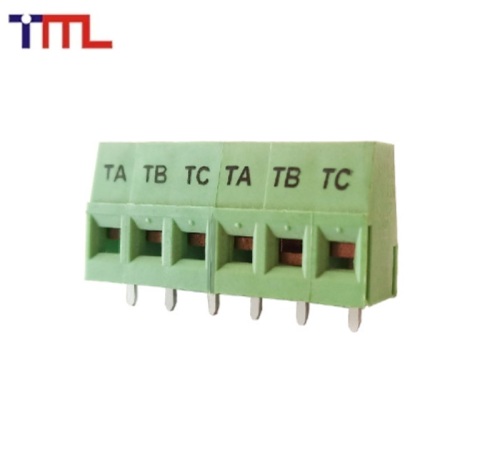
In the fast-paced world of electronic manufacturing, innovation continues to drive efficiency and reliability. One such advancement making waves is the Low Voltage PCB Terminal Block, designed to streamline connections while ensuring robust performance across various applications.
Automotive Industry: Enhancing Connectivity
In automotive manufacturing, where precision and durability are paramount, the Low Voltage PCB Terminal Block offers a critical solution. It facilitates secure connections within electronic control units (ECUs), ensuring seamless integration of sensors, actuators, and control systems. This reliability translates into enhanced vehicle performance and safety, meeting the stringent demands of modern automotive standards.
Consumer Electronics: Powering Everyday Devices
From household appliances to smart gadgets, consumer electronics rely on efficient PCB terminal blocks for their electrical connections. Whether in air conditioning units, kitchen appliances, or entertainment systems, these terminal blocks provide a stable interface, ensuring optimal functionality and user safety. Their compact design and compatibility with various voltage ratings make them indispensable in the evolution of home technology.
Industrial Automation: Enabling Precision Control
In industrial settings, where automation drives productivity, the Low Voltage PCB Terminal Block plays a pivotal role. It facilitates the wiring of control panels and machinery, supporting precise operational control and monitoring. This reliability underpins critical infrastructure across manufacturing sectors, from robotics to conveyor systems, ensuring continuous operation and efficiency.
Renewable Energy: Powering Sustainable Solutions
Amidst the global shift towards renewable energy, the terminal block's role extends into the realm of sustainable technology. In solar inverters and wind turbine controls, these blocks enable the efficient transmission of low voltage signals and power, contributing to the reliability and longevity of renewable energy systems. Their durability ensures minimal maintenance, aligning with the sustainability goals of modern energy initiatives.
Future Prospects: Advancing Connectivity Solutions
Looking ahead, the evolution of Low Voltage PCB Terminal Blocks continues to drive innovation across industries. With ongoing advancements in material science and manufacturing processes, these blocks promise even greater efficiency, reliability, and versatility. Their integration into emerging technologies such as Internet of Things (IoT) devices and electric vehicles (EVs) underscores their pivotal role in shaping the future of connectivity.
Conclusion
The Low Voltage PCB Terminal Block stands as a testament to innovation in electronic connectivity. Across automotive, consumer electronics, industrial automation, and renewable energy sectors, its reliability and efficiency pave the way for enhanced performance and sustainability. As industries continue to evolve, these terminal blocks remain at the forefront, ensuring seamless connectivity in a rapidly changing technological landscape.